


JAR / TIN
A jar or tin of Instant Coffee Powder works well when you make coffee regularly at home or in the office. You can scoop out exactly what you need, making it a practical choice for everyday use.
The Complete Guide for Indian Coffee Drinkers
For many of us, coffee is part of the daily routine. But not every morning comes with the time, equipment, or patience to brew a fresh cup. That is where instant coffee comes in.
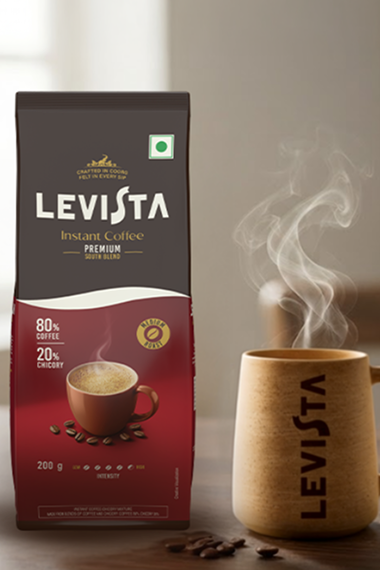
Instant Coffee is pre-brewed coffee that has been dried into powder or granules, so it dissolves directly in hot water or milk. In India, you will find it in jars, tins and sachets, with many South Indian blends including chicory for a familiar, fuller taste.
But not every Instant Coffee tastes the same. Bean origin, roasting and the coffee-to-chicory ratio can all change what ends up in your cup.
 WHAT IS INSTANT COFFEE?

Instant Coffee has already been brewed before it reaches your kitchen. Roasted coffee beans are ground, brewed into a concentrated liquid and then dried into powder or granules. When you make it at home, you simply dissolve that coffee in hot water or milk.
That is the biggest difference between Instant Coffee and ground or filter coffee. There is no separate brewing step, no filter to set up and no decoction to wait for.
This convenience makes Instant Coffee a practical option for busy mornings, offices, hostels and travel. If you have a cup, a spoon and hot water, you are ready to go.
In South India, Instant Coffee is also commonly blended with chicory. Chicory has long been used in traditional filter coffee and adds body along with a slightly earthy, bitter finish. The amount of chicory used can give different blends noticeably different tastes.

Knowing How Instant Coffee Is Made makes it easier to understand why two jars can taste so different.
The process starts with roasted coffee beans. The origin and quality of those beans influence the flavour of the finished product. Coffee from a consistent growing region, such as Coorg in Karnataka, can offer a more dependable flavour profile.
The roasted beans are ground and brewed on a large scale to create a concentrated coffee liquid. This liquid contains the compounds responsible for coffee’s flavour, aroma and colour.
It is then dried to create a shelf-stable product. One common method is spray-drying, where the coffee concentrate is sprayed into hot air. The moisture evaporates quickly, leaving behind fine coffee powder.
Freeze-drying works differently. The coffee concentrate is frozen and dried under vacuum, creating small, porous granules. This process uses less direct heat and can help retain some delicate flavour characteristics, although it is slower and generally more resource-intensive.
Where chicory is part of the blend, it can be processed alongside the coffee or added separately in a specific proportion. The finished Instant Coffee is then packed into jars, tins or sachets and sealed to protect it from moisture.
JAR VS SACHETS
When choosing between instant coffee jars and instant coffee sachets, it mostly comes down to your routine.
A jar or tin of Instant Coffee Powder works well when you make coffee regularly at home or in the office. You can scoop out exactly what you need, making it a practical choice for everyday use.

Instant coffee sachets are individually portioned. Tear one open, add it to your cup, and you are ready to make your coffee. There is no need to carry a spoon or measure the powder.
That makes instant coffee sachets particularly convenient for travel, offices, gifting or days when you are away from your usual coffee setup.
Levista offers Instant Coffee in both formats, using the same blends across them. So choosing a jar or sachet does not mean having to choose between different coffee profiles.
The question of filter coffee vs instant coffee often comes down to what you value more: the brewing ritual or convenience.

Traditional South Indian Filter Coffee needs a metal filter, ground coffee, hot water and time for the decoction to drip through. The decoction is then mixed with hot milk and sugar according to preference.
Filter coffee gives you more control over the brewing process, strength and ratio. Instant Coffee makes the process much simpler.

With Instant Coffee, the brewing has already happened. Add the powder to hot water or milk, stir, and your cup is ready in under a minute.
Neither is automatically better. If you enjoy taking time over your morning brew, filter coffee has its own appeal. If you need coffee quickly before heading to work, Instant Coffee can make more sense.

GROUND VS INSTANT
The comparison of ground coffee vs instant coffee is slightly different from filter coffee because ground coffee can be brewed using several methods, including a French press, pour-over or espresso machine.

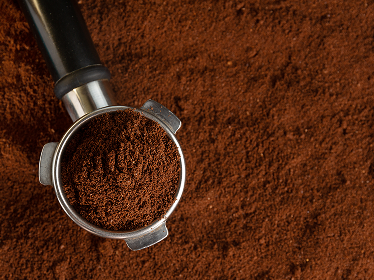
Ground coffee is roasted coffee that has been milled to a suitable grind size. It still needs to be brewed before you can drink it.
Ground coffee can offer more aroma and complexity because it is extracted just before drinking.
Instant Coffee skips that step completely. This is why instant coffee vs ground coffee is often less about which one is better and more about what works for your routine.
Instant Coffee gives up some of that brewing control in exchange for speed and simplicity.
Another important difference between Filter Coffee and Instant Coffee is caffeine. With filter coffee, you can change the coffee-to-water ratio, brewing time and amount of milk. With Instant Coffee, those decisions have already been made during production, so the final cup usually becomes especially important.

Learning how to make instant coffee is simple because the brewing has already been done.

To make instant black coffee, simply dissolve the coffee in hot water without adding milk.


Wondering how to make espresso with instant coffee? You can create a concentrated, espresso-style shot, although it will not be the same as true espresso made through pressurised extraction.
CHOOSING THE BEST INSTANT COFFEE IN INDIA

There is no single Best Instant Coffee in India for everyone. Coffee preferences vary widely.
Someone who grew up drinking strong South Indian filter coffee may prefer a blend with more chicory, while someone looking for a cleaner coffee taste may prefer 100% coffee.
Instead of choosing purely by brand recognition, look at two things: the origin of the coffee and the coffee-to-chicory ratio.
When comparing the top 10 instant coffee brands in India, you will find different approaches. Some focus on pure coffee, while others offer speciality, organic or traditional coffee-and-chicory blends.
100% coffee

80% coffee and 20% chicory

60% coffee and 40% chicory

70% coffee and 40% chicory

All three blends use coffee sourced from the Coorg region, where Levista has worked for close to seven decades. This focus on consistent sourcing helps maintain a familiar flavour across its range.

The taste of tradition in every satisfying sip.

Experience the pure, bold flavour of Coorg in every cup.

Chill the Moment, Taste the Bold.

